Skip to content

Human-Centered Computing

Our work in human-centered computing explores and enhances the ways in which people and communities engage with and experience technology. 

Our research considers the personal, educational, cultural, and ethical implications of innovation. Drawing upon techniques from human-computer interaction, learning sciences, sensing and more, we aim to maximize the potential benefits of technology while minimizing potential harms to individuals, groups and society.


Groups & Labs

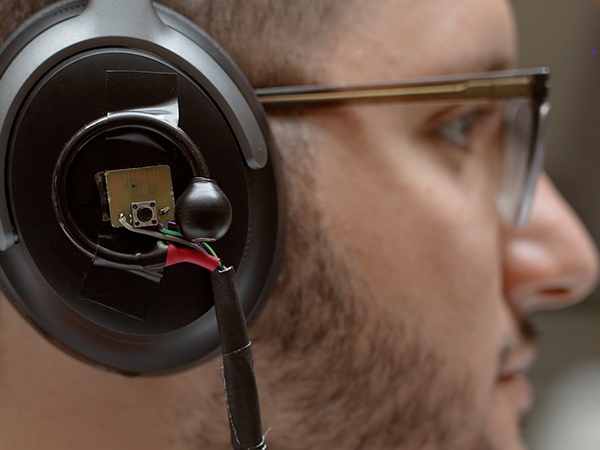
Closeup of AI-augmented headphone on person's ear

Mobile Intelligence Lab

The interdisciplinary Mobile Intelligence Lab builds intelligent systems and tools for tackling hard technical and societal problems, including battery-free computing, medical diagnostics, augmented human perception and more.

Person's hand with a fabricated splint on the thumb

Make4all Group

Make4all Group creates solutions that empower people with disabilities to accomplish their goals, applying technologies such as 3D printing, knitting and other fabrication technologies to improve inclusion in and accessibility of our digital future.


Allen School Faculty

Professor

Associate Professor

Associate Professor

Assistant Professor


Centers & Initiatives

The Transportation Data Equity Initiative (TDEI) aims to enhance the quality and accessibility of travel services by building open source data collection and vetting tools, transportation data digital infrastructure, and governance frameworks that enable public-private data sharing and interoperability. The TDEI is a project sponsored by The Complete Trip, an ITS4US Deployment Program.

LCI (pronounced “Lacey”) is a community of researchers, educators, students who are passionate researchers and practitioners of computing education. Members span the Allen School, Information School, College of Education, Department of Human-Centered Design & Engineering, Department of Communication and eScience Institute.

Highlights


Allen School News

In the latest installment of a Q&A series exploring grand challenges in computing, professors Franziska Roesner and Sewoong Oh discuss how they and their colleagues aim to develop a safer, more secure and privacy-preserving future through technologies that better serve people and society.

UW News

Allen School Ph.D. student Yael Eiger and professor Franziska Roesner discuss their research examining people’s experiences with technology during and after incarceration and the broader impacts of technology used for policing and post-release monitoring.

Allen School News

In their 2017 paper, Roesner and her co-authors were among the first to investigate end-user security and privacy perspectives on then-emerging smart home technologies and recommend ways to help users make more informed security decisions.